



1. Slow Down Your Schedule
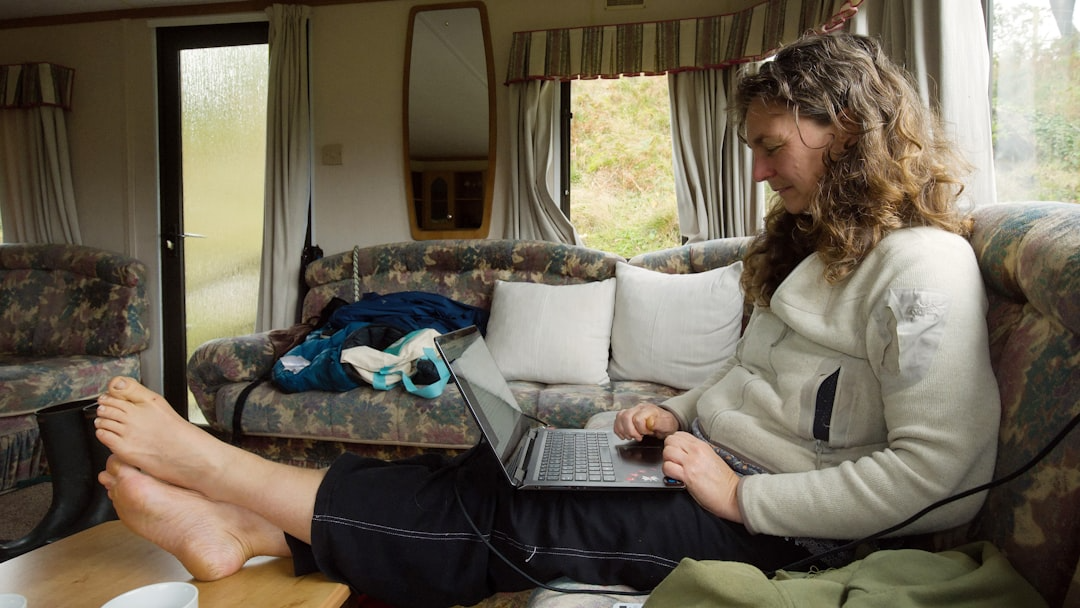
You do not need to see everything on the map. A slower pace helps conserve energy and reduces the chance of exhaustion. Give yourself permission to rest, skip a few activities, or spend an afternoon just relaxing.
If you can, choose direct flights and avoid long layovers. When you arrive, plan a little downtime before jumping into sightseeing. The more room you leave in your schedule, the more you can enjoy the moment.
2. Dress For Comfort And Flexibility
Hot flashes have a way of showing up when you least expect them. Pack clothes made from breathable materials such as cotton, bamboo, or linen. Light layers are best so you can add or remove items as temperatures shift.
A small fan, cooling wipes, or a facial mist can help when the heat hits. Stay hydrated and limit caffeine or alcohol on travel days since they can make symptoms stronger.


3. Pack Your Own Comfort Kit
Having the right essentials on hand can make a big difference. Keep any medications or supplements in your carry-on in case your luggage is delayed. A pill organizer helps keep everything on track.
Include travel-sized toiletries like moisturizer, gentle wipes, and a mild cleanser. Pack liners or period underwear if you are still in perimenopause. If vaginal dryness or irritation is an issue, bring a moisturizer or treatment you already use at home.
4. Keep Stress Low And Calm Close
Travel is exciting but can also be stressful. Hormonal changes can make your body more sensitive to that stress. Build small pockets of calm into your day.
Try deep breathing, journaling, or a short guided meditation in the morning or before bed. A calming playlist, a favorite scent, or even a few minutes of stretching can reset your mood and help you feel centered.
When your mind is calm, your body follows. You are less likely to feel overheated, restless, or anxious.
5. Drink Plenty Of Water
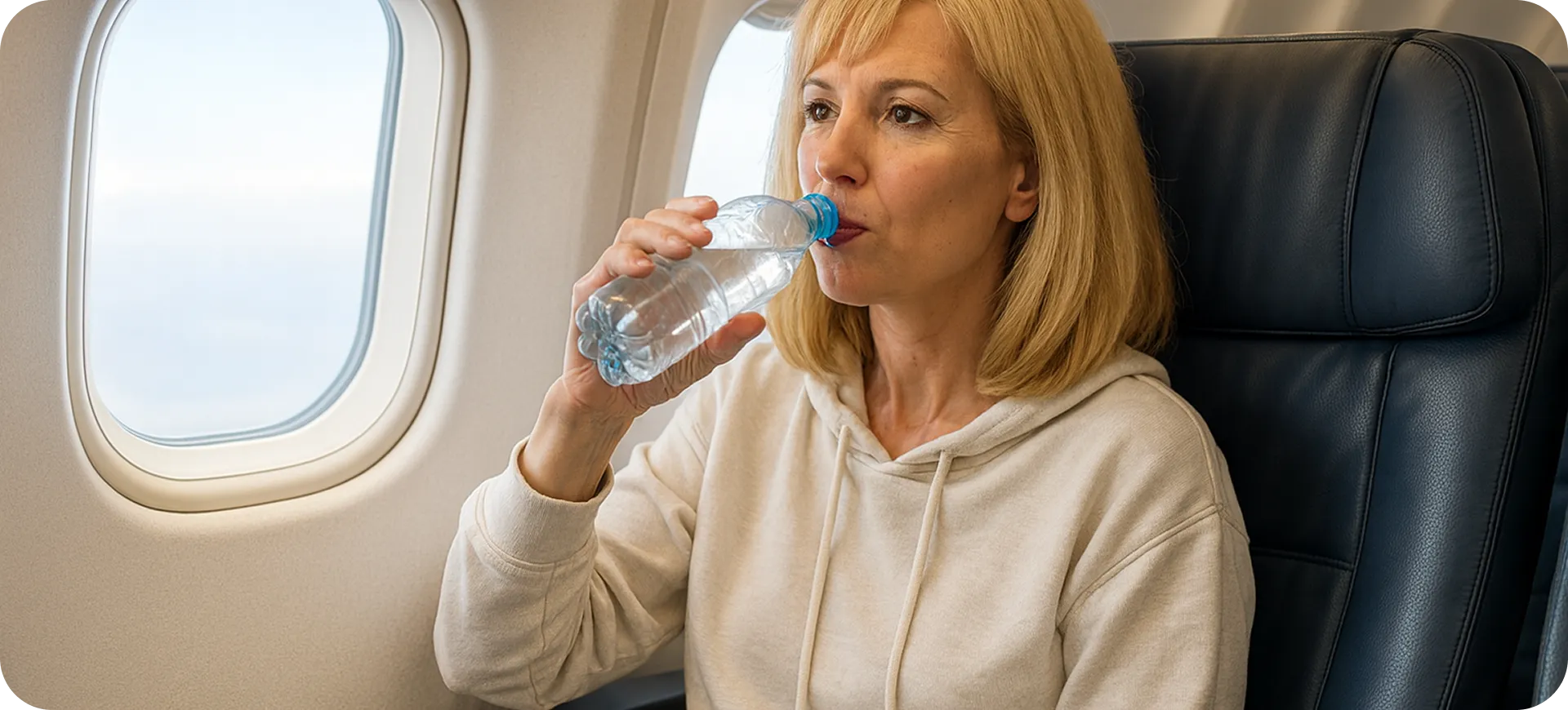
Hydration is one of the simplest ways to feel better while traveling. It supports your skin, digestion, and overall energy. Carry a reusable water bottle and sip regularly, especially during flights or in warm climates.
Moisturize your skin during the day if the air is dry. Try to swap some of your coffee or wine for herbal tea or sparkling water. Staying hydrated can make a long travel day feel a lot easier.
6. Keep Moving
Sitting for long stretches can make your body stiff and tired. Try to fit in gentle movement each day. Take a short walk, stretch before bed, or practice a few yoga poses in your hotel room.
Moving helps your circulation, boosts your mood, and can even improve sleep quality. It doesn’t have to be a full workout. Just a little movement keeps your energy steady.
7. Eat With Balance In Mind
New foods are one of the best parts of travel, but they can also upset your system. Try to eat a mix of protein, fiber, and healthy fats to stay full and balanced. Bring snacks such as nuts, fruit, or protein bars for long travel days.
Enjoy local cuisine but notice how different foods make you feel. A bit of awareness goes a long way toward avoiding bloating or energy crashes.
8. Pick Destinations That Suit Your Comfort
If you are sensitive to heat, think about cooler or moderate climates. Places with fresh air, shaded walks, or access to the water often feel best.
When choosing accommodation, look for rooms with temperature control, blackout curtains, and easy bathroom access. Hotels with wellness amenities or outdoor space can make your stay even more enjoyable.


9. Protect Your Sleep
Good rest makes everything easier. Try adjusting your bedtime a few days before you travel if you are crossing time zones. Avoid caffeine and heavy meals at night.
Bring small comforts that help you relax, like an eye mask, earplugs, or your own pillowcase. Create a small bedtime ritual wherever you are. Reading, gentle stretching, or a cup of herbal tea can signal to your body that it is time to wind down.
10. Check In With Your Doctor Before Your Trip
A quick conversation with your healthcare provider can help you travel with confidence. Review any medications or supplements and make sure you have enough for the entire trip. Ask for backup prescriptions in case your luggage goes missing.
If you take hormone therapy or have ongoing symptoms, your doctor may suggest travel-friendly adjustments. Knowing you are prepared will help you feel calm and in control.
The Takeaway
Menopause may change how your body reacts to travel, but it does not have to change your love for it. Plan thoughtfully, listen to what your body needs, and take care of yourself as you go.
You deserve to explore, rest, and enjoy the world without discomfort holding you back. So pack well, stay kind to yourself, and make memories that outshine any hot flash.