



The Temperature Rollercoaster
Hot Flashes and Night Sweats
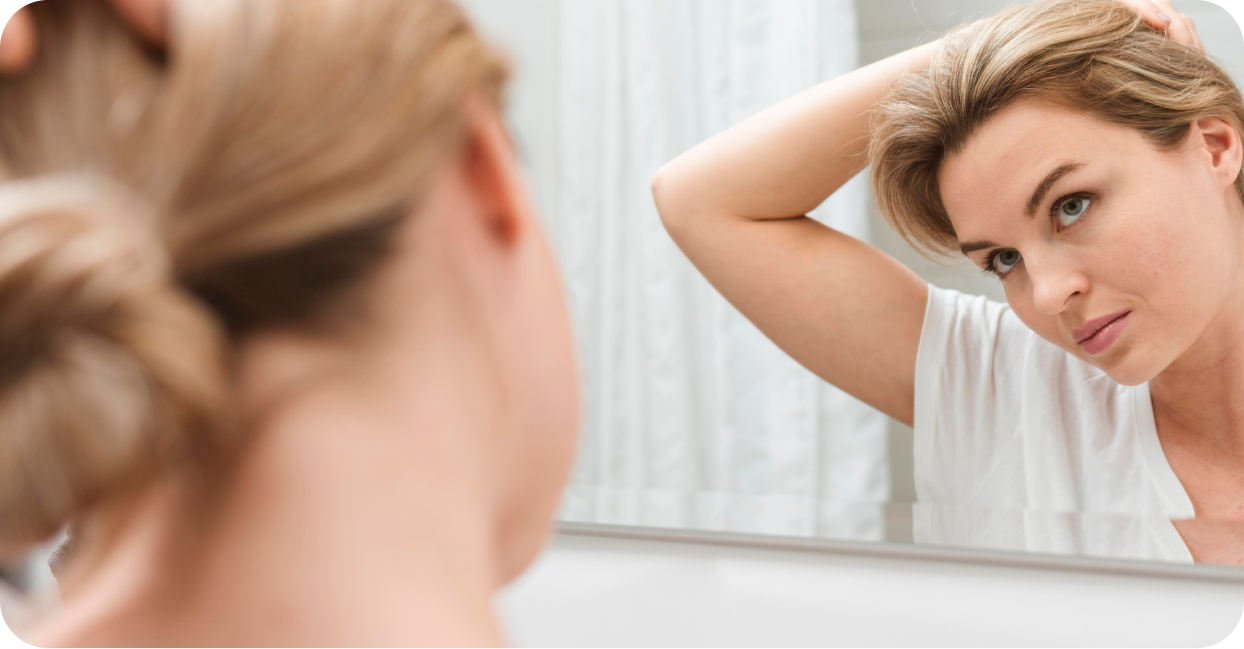
It’s the symptom everyone knows, but that doesn’t make it easier. One minute you’re fine, the next you’re peeling off layers like you’re in a desert. For some women, it happens once or twice a day; for others, it’s constant. Night sweats are the nighttime version… just as fun, but with ruined sleep and damp sheets. Hormonal shifts confuse your internal thermostat, so your body keeps hitting “overheat” for no reason.
The Sleep Struggles
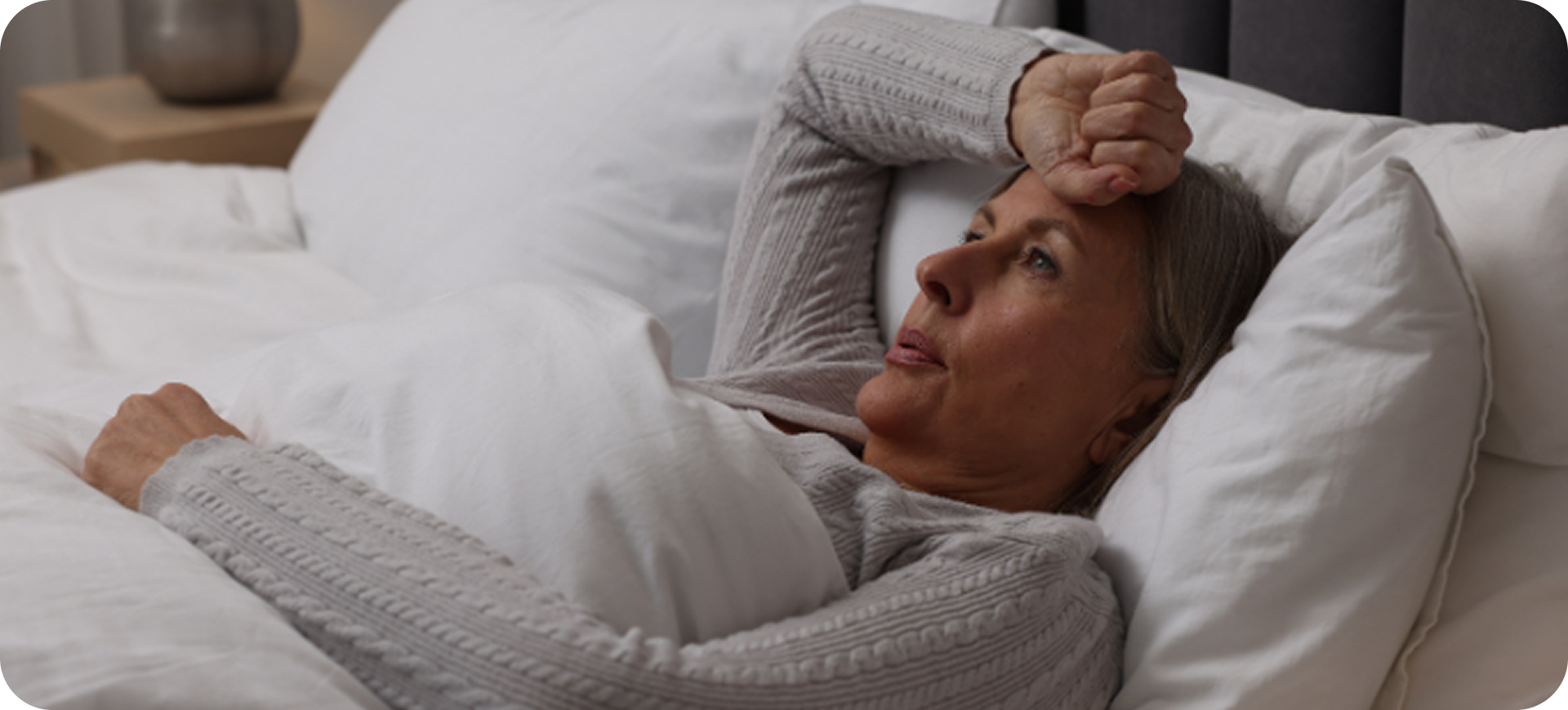
Once hormones start to fluctuate, sleep tends to suffer. Maybe you wake up at 3 a.m. wide-awake, or maybe you can’t drift off in the first place. Add in those hot flashes, and it’s easy to see why so many women feel exhausted. Fatigue becomes part of the package. Not just physical tiredness, but that bone-deep weariness that coffee can’t fix.

When Emotions Go Off-Script
Mood swings during menopause can be dramatic. One day you’re laughing, the next you’re crying at a dog-food commercial. Estrogen plays a huge role in mood regulation, so when it dips, emotions can swing hard.
Some women experience anxiety for the first time, while others say old patterns resurface. Panic attacks, irritability, sadness… They can all show up out of nowhere. It’s not a character flaw; it’s chemistry. Sleep problems and stress only make it worse, so managing rest and relaxation becomes essential self-care.
Your Body: The Unexpected Changes
Weight gain around the middle is super common, even if you’re eating the same way you always have. With less estrogen, metabolism slows and muscle mass drops, meaning your body stores more fat (especially in the belly).
Skin can turn dry or flaky, hair might thin, and nails can feel brittle. Meanwhile, a few new chin hairs might decide to make an appearance (thanks, hormones). Acne can even pop up again, which feels wildly unfair after surviving puberty.
The Brain Fog Phase
If you’ve ever walked into a room and completely forgotten why you’re there, you’ve met menopause brain fog. Memory lapses, trouble concentrating, losing words mid-sentence… It’s all connected to hormonal shifts. Most women say it improves once their bodies adjust, but it can feel unsettling in the moment.
Down There: Vaginal and Bladder Changes
This part doesn’t get talked about enough. As estrogen drops, the vaginal lining becomes thinner and less lubricated, which can make sex uncomfortable or even painful. It’s incredibly common and nothing to feel embarrassed about. After all, there are plenty of treatments that can help.
You might also notice more frequent urinary leaks when sneezing or laughing, or an increase in urinary tract infections. Those tissues are just more delicate now, so small changes can cause irritation.
The Mystery Symptoms
Some menopause symptoms are less obvious but surprisingly common:
• Dizziness or vertigo
— hormonal changes can mess with balance.
• Headaches and migraines
— often worse in perimenopause, better afterward.
• Joint and muscle aches
— lower estrogen equals more inflammation.
• Digestive changes
— bloating, nausea, and heartburn can flare up as hormones affect the gut.
• Body odor shifts
— more sweating from hot flashes means bacteria have more fun.
They may not sound dramatic, but they can pile up and leave you wondering why you don’t feel like yourself.


The Heart, Bones, and Muscles
As estrogen levels fall, your heart and bones lose some of the protection that hormone once offered. Cholesterol may creep up, and bone density can start to decline. That’s why staying active and getting enough calcium and vitamin D matters so much now. Regular movement like walking, strength training, and yoga helps with everything from mood to muscle tone to bone health.
Periods, Breasts, and Hormone Weirdness
Perimenopause can make your cycle unpredictable. One month it’s heavy and long, the next it’s barely there. Uterine fibroids sometimes flare during this time, then shrink after menopause. Breasts can feel tender or change shape slightly as tissue density drops, which is totally normal.
The Bedroom Effect
Lower estrogen and testosterone can zap libido. Stress, fatigue, and dryness don’t help either. But it’s not the end of intimacy. Far from it. Many women find that once symptoms are managed and communication improves, their sex life actually gets better and more relaxed. Moisturizers, lubricants, and local hormone therapies can make a huge difference.
Taking Care of Yourself Through It
Here’s the truth: menopause isn’t something to “tough out.” There’s help available, and you don’t have to feel miserable. Lifestyle tweaks can make a world of difference. Small changes like eating well, moving daily, staying hydrated, and prioritizing good sleep are worth making.
If symptoms feel overwhelming, talk with your doctor. Hormone replacement therapy and other treatments can target multiple symptoms at once. The goal isn’t to erase menopause but to move through it feeling strong and sane.