



How Menopause Influences Fitness
Hormonal changes during this stage can lead to increased body fat, a slower metabolism, and reduced muscle definition. Lower estrogen levels often cause fat to settle around the midsection. Shifts in progesterone and cortisol can also affect mood, making exercise feel more difficult at the same time that it becomes even more beneficial.


Why Standard Exercise Guidance Misses the Mark
Many exercise suggestions do not fully address the challenges women face in midlife. Doctors often focus on physical recommendations while overlooking mental, emotional, and social factors that influence consistency.
The most effective fitness plans include strength training, cardio, flexibility, and balance work, but long-term success improves when motivation strategies are added. Goal setting, progress tracking, and supportive environments help women form habits that last. These habit-building techniques can also improve sleep, nutrition, and mood, making menopause symptoms easier to manage.
Support from trainers, physical therapists, or sports medicine professionals can help create a routine tailored to each woman’s unique needs.

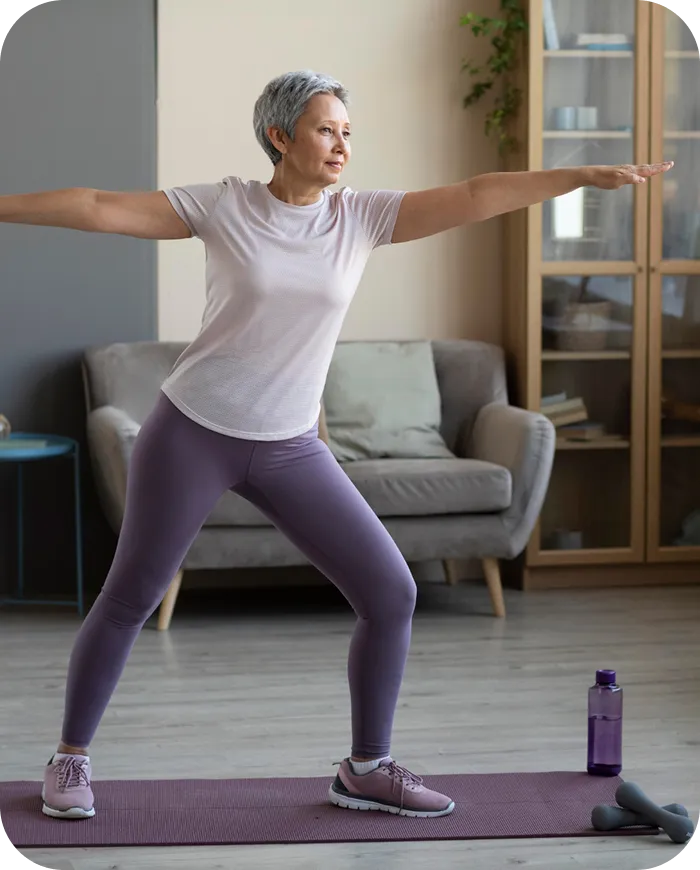
Exercises That Help Ease Menopause Symptoms
A well-rounded fitness routine can address many common symptoms associated with menopause. Different forms of movement can support better comfort, mobility, and emotional well-being.
For hot flashes, night sweats, and poor sleep:
Tai Chi, Qigong, restorative yoga, stretching, breathwork, meditation, and gentle cardio like walking or swimming can help regulate temperature, improve relaxation, and support quality sleep.
Movements That Support Belly Fat Reduction and Healthy Weight
Changes in hormones often lead to weight gain around the midsection, but functional exercises combined with cardio can help manage it.
Cardio options: walking, dancing, swimming, cycling, and elliptical workouts to support fat burning and cardiovascular strength.
Core exercises: planks, crunch variations, and midsection-focused work to strengthen abdominal muscles and improve posture.
Helpful Exercises for Joint Discomfort, Stiffness, Mood Shifts, and Anxiety
Water- based activities like swimming and water aerobics ease strain on the joints while building strength. Stretching and mobility work reduce stiffness and improve flexibility. Walking, yoga, and low-impact cardio help maintain joint comfort. Aerobic exercise such as dancing or cycling can boost mood and help reduce anxiety through natural endorphin release.
Propylene glycol, which is present in many liquid solutions, can cause irritation for some people. Using a foam version, which is free of propylene glycol, often reduces these reactions.
Topical minoxidil is considered safe for long term use. However, it must be used continuously because new growth typically falls out within several months of stopping treatment.
Strength Training for Health and Longevity
Strength training becomes especially important during menopause because it helps preserve muscle mass and supports bone density.
Effective strength-focused movements include:
Working with a skilled coach or physical therapist can help ensure proper form and reduce the risk of injury.
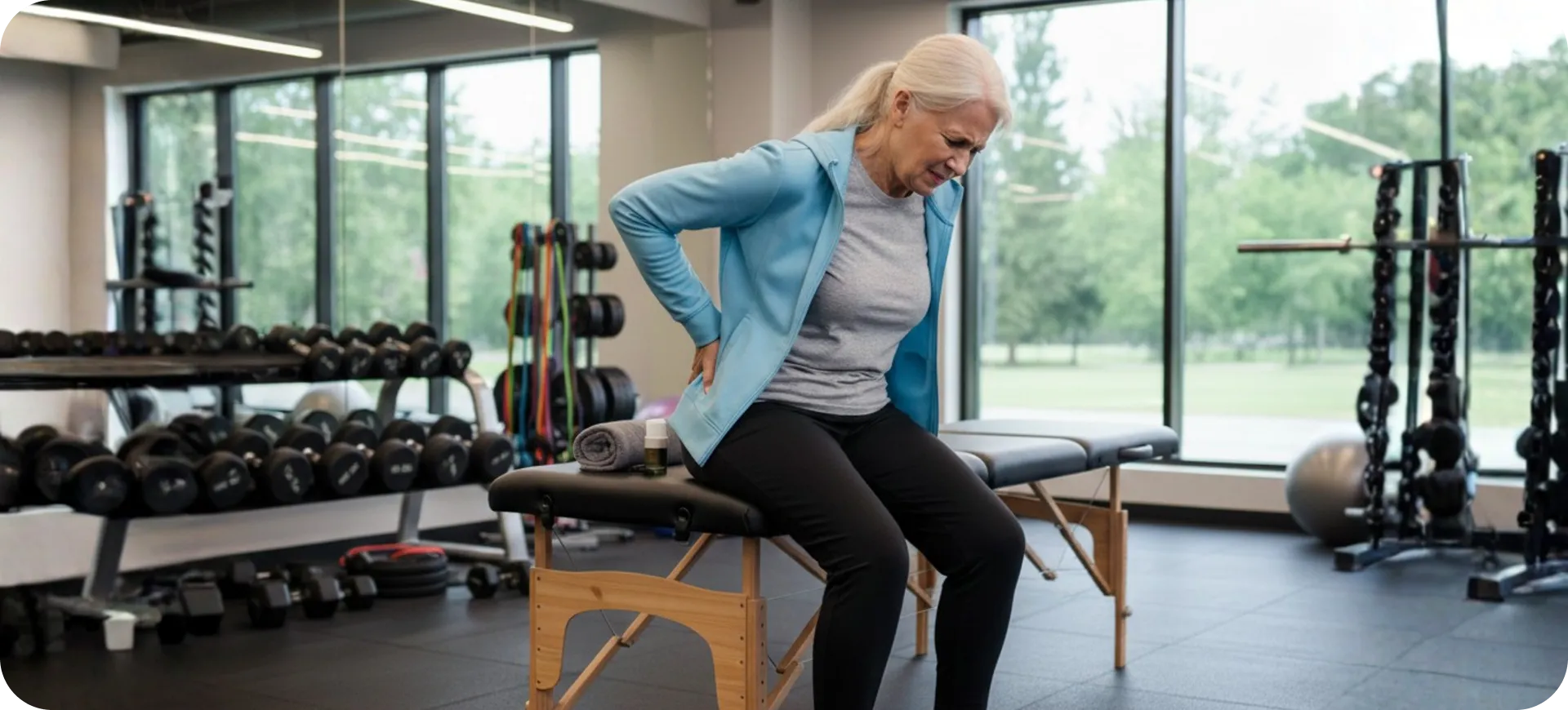
Exercises to Approach with Caution
Activities to be mindful of include:
High- impact routines may aggravate joint pain, while long endurance workouts can elevate stress hormones. Safe lifting form is essential.
How to Build a Menopause-Friendly Fitness Plan
A supportive plan combines strength, cardio, flexibility, and balance. Strategies like goal setting, tracking progress, and seeking social support can make it easier to stay consistent.
For beginners:
Start with low-impact activities such as yoga, walking, or light cycling. Simple bodyweight exercises like squats, wall push-ups, and glute bridges help build foundational strength.
For experienced exercisers:
Progressive strength sessions paired with brisk walking, swimming, or interval-based cardio help maintain muscle, support metabolism, and improve cardiovascular health. Mobility-focused practices like Pilates or yoga should be included weekly.
For home workouts:
Resistance bands, light dumbbells, and a sturdy chair can create a complete home training setup. Online fitness programs designed for midlife can offer guidance and accountability. Consistency matters more than intensity.
How Nutrition Supports Exercise During Menopause
Diet and exercise work together to support healthy weight, energy, and hormonal balance.
1. Nutrient-rich foods:
Lean proteins, healthy fats, whole grains, and fiber-rich vegetables help maintain muscle, regulate blood sugar, and provide steady energy.
2. Hydration:
Staying hydrated helps regulate body temperature, support digestion, and ease hot flashes.
3. Hormone support:
Hormone therapy may help improve body composition, but physical activity is still needed to preserve muscle and maintain cardiovascular health.
4. Supplement options:
Calcium, vitamin D, and protein powders may help fill nutritional gaps and support bone and muscle health.


Additional Tips for Staying Comfortable and Motivated
1. Listening to the body:
Adjusting workouts based on energy levels and symptoms helps prevent overexertion.
2. Managing heat:
Breathable workout clothing, cooling strategies, and proper hydration can make exercise more comfortable.
3. Professional guidance:
Working with a menopause-aware coach or therapist can ensure a personalized approach.
4. Choosing the right environment:
Some gyms cater toward younger members, which can feel uninviting. Women-only spaces or exercising with a friend can create a more positive and motivating atmosphere.